

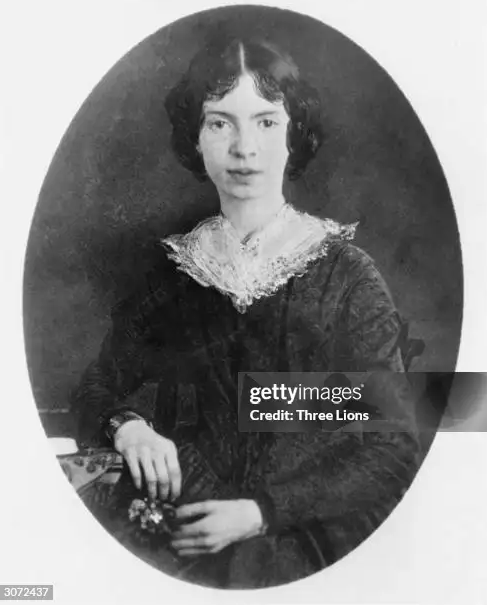
(Emily Dickinson)
“Esperança” – um ser de plumas
que nos pousa na alma,
e canta uma canção sem versos
e nunca se acalma.
Soa mais doce quando há temporal;
e é forte a tempestade
capaz de calar tal passarinho
que aquece a humanidade.
Já ouvi seu canto nas terras mais geladas
e no oceano, entre o trovão;
e nunca, mesmo à morte, me pediu
uma migalha de pão.
“Hope” is the thing with feathers -That perches in the soul -And sings the tune without the words -And never stops - at all -And sweetest - in the Gale - is heard -And sore must be the storm -That could abash the little BirdThat kept so many warm -I’ve heard it in the chillest land -And on the strangest Sea -Yet - never - in Extremity,It asked a crumb - of me.
*****
that saved a wretched like me…
I once was lost, but now I’m found,
Was blind, but now I see…
Aqui, uma palhinha desse hino americaníssimo, na voz de Elvis Presley:
https://www.youtube.com/watch?v=AEgG63MCa0I
Common metre, a metre used in English ballads that is equivalent to ballad metre, though ballad metre is often less regular and more conversational than common metre. Whereas ballad metre usually has a variable number of unaccented syllables, common metre consists of regular iambic lines with an equal number of stressed and unstressed syllables.
O que este trecho diz, basicamente, é que tanto o common metre quanto a balada usam um esquema de sílabas e de rimas praticamente igual, mas “a métrica da balada é menos regular e mais conversacional, mais coloquial, do que o common metre”. Este, por sua vez, repousa de maneira muito mais obrigatória no número e na posição das sílabas acentuadas.


